
Technology, Mobile Devices & Modern Posture | Structural Chiropractic Hawke's Bay
Technology, Mobile Devices and Modern Posture: What We Should All Be Aware Of
Technology has transformed the way we live, work and communicate.
From smartphones and tablets to laptops and smart watches, digital devices are now part of almost every aspect of daily life. Whether we're answering emails, attending virtual meetings, watching videos or keeping in touch with family and friends, technology has become an essential part of modern living.
While these advances bring many benefits, they have also changed the way we use our bodies.
At Structural Chiropractic, we encourage people to become more aware of how technology influences posture and movement. Developing healthy habits around device use can be an important part of supporting long-term spinal health and overall wellbeing.
A New Way of Living
Only a generation ago, most people spent much less time looking at screens.
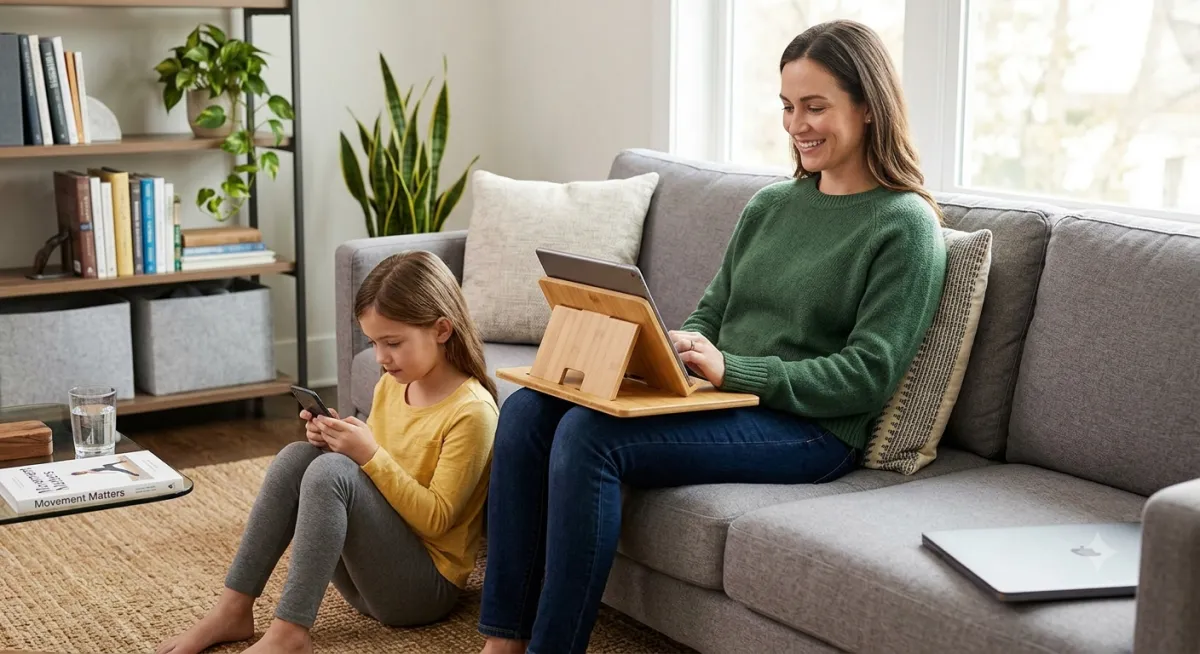
Today, many adults spend several hours each day using computers, tablets and smartphones, while children and teenagers often use digital devices for both education and recreation.
This increase in screen time means our bodies are spending longer in similar positions, often with limited movement throughout the day.
Understanding these changes allows us to make more informed decisions about how we look after our spinal health.
How Technology Can Influence Posture
Many people naturally lean forward when looking at a phone or laptop.
Others round their shoulders while typing or spend extended periods sitting without changing position.
Over time, these repeated positions may influence posture and movement patterns.
Common habits include:
Looking down at a mobile phone for extended periods.
Working with a laptop positioned too low.
Sitting without taking movement breaks.
Leaning towards computer screens.
Using multiple devices throughout the day without changing posture.
These behaviours often develop gradually and may become routine without us noticing.
Awareness Is the First Step
One of the simplest ways to support better posture is simply becoming more aware of how we use technology.
Ask yourself:
How often do I take breaks from my screen?
Am I looking down at my phone for long periods?
Is my workstation comfortable?
Do I move regularly throughout the day?
Could I vary my position more often?
Small moments of awareness can often lead to healthier daily habits.
Practical Habits That May Support Better Posture
Technology is here to stay, so the goal isn't to avoid using it.
Instead, consider building simple habits into your daily routine, such as:
Taking regular movement breaks.
Raising screens to a comfortable viewing height where practical.
Holding mobile devices closer to eye level when appropriate.
Standing and stretching between meetings.
Alternating between sitting and standing when possible.
Remaining physically active outside working hours.
These small changes can become part of a healthy long-term routine.
Technology and Families
Technology affects every generation.
Children use digital devices at school.
Teenagers rely on laptops and smartphones for education and social connection.
Adults often spend much of their working day in front of a computer.
Older adults increasingly use tablets and mobile devices to stay connected with family and access online services.
Because technology is now part of everyday life, posture awareness is becoming increasingly relevant for the whole family.
Balancing Screen Time and Movement
Movement remains one of the most important parts of a healthy lifestyle.
Walking, gardening, swimming, cycling, sport and other recreational activities all help encourage regular movement throughout the week.
Balancing screen time with physical activity allows the body to experience a greater variety of movement patterns, supporting overall health and wellbeing.
Structural Chiropractic and Modern Living
Structural Chiropractic recognises that today's lifestyles present different challenges compared with previous generations.
Extended screen use, remote working and digital technology have become normal parts of everyday life.
During an assessment, a registered chiropractor may discuss work habits, posture, lifestyle and daily routines alongside other aspects of spinal health.
This helps provide a more complete understanding of the individual and supports personalised recommendations.
Traditional chiropractors typically focus on three things: decreasing muscle spasm, increasing range of motion, and reducing pain. That's valuable, symptom-focused care — we believe those chiropractors are great at what they do.
Structural Chiropractic looks at it differently. Think of your spine as the foundation of a house — patch the same crack in the wall often enough, and eventually you're just repairing the same damage again and again. Rather than constantly repairing the same cracks, we focus on structural correction — using Specific Chiropractic Corrections, Neurological Re-Patterning and Joint-to-Joint Mobility to address the underlying Foundation, not just the damage it's causing.
As Structural Chiropractors, we're looking for a significant three-dimensional shift of the spine away from Normal. Because normal spinal motion is recognised as playing a role in healthy nervous system communication, we consider a structural shift in the spine an important factor to assess — not something to overlook.
Supporting Healthy Technology Habits
There is no perfect posture or perfect workstation.
The most effective approach is usually a combination of:
Awareness.
Regular movement.
Healthy workplace habits.
Appropriate physical activity.
Professional advice when required.
Developing these habits gradually can help support long-term spinal wellbeing.
Supporting the Hawke's Bay Community
People throughout Hastings, Napier and the wider Hawke's Bay region rely on technology every day.
Whether you're running a business, studying, working remotely or simply keeping in touch with friends and family, your spine supports every movement you make.
Structural Chiropractic is committed to helping individuals and families better understand how modern lifestyles influence posture and spinal health, providing education and professional guidance tailored to each person's individual needs.
Frequently Asked Questions
Can using a mobile phone affect posture?
Spending extended periods looking down at a mobile device may influence posture over time. Taking regular breaks and varying your position are generally recommended.
Is working on a laptop different from using a desktop computer?
Laptop screens are often positioned lower, which may encourage people to lean forward. Adjusting your workspace where practical can help improve comfort.
Should I avoid using technology?
Technology is an important part of modern life. The goal is to use it in a balanced way while maintaining healthy movement habits.
Why is movement important during the working day?
Regular movement helps avoid remaining in one position for extended periods and supports overall mobility and wellbeing.
Can children develop good posture habits?
Encouraging movement, physical activity and posture awareness from an early age may help establish positive lifelong habits.
When should I seek professional advice?
If you have concerns about your posture, movement or spinal health, it's advisable to seek an assessment from a registered chiropractor or another appropriately qualified healthcare professional.
Related Articles
Working at a Desk? Everyday Habits That Can Affect Your Spine
Why Good Posture Matters More Than Ever
Understanding Your Spine: Why Alignment Matters for Everyday Life
Healthy Lifestyle Habits That Support Spinal Wellbeing
About Structural Chiropractic
Structural Chiropractic is a leading chiropractic practice based in Hastings, proudly supporting individuals and families throughout Hastings, Napier and the wider Hawke's Bay region.
Led by Dr Ryno Tope, the practice is dedicated to helping people better understand their spinal health through education, professional assessment and personalised chiropractic care. The practice focuses on Structural Chiropractic—an approach that considers the relationship between spinal structure, posture and long-term wellbeing.
At Structural Chiropractic, the goal is to provide every patient with the information, support and professional guidance they need to make informed decisions about their health. Whether you're interested in improving your posture, learning more about spinal health or seeking a professional assessment, the team is committed to providing a welcoming and patient-focused experience.
About Dr Ryno Tope
Dr Ryno Tope is the founder and Clinical Director of Structural Chiropractic in Hastings. He is passionate about patient education and helping people throughout Hawke's Bay better understand the importance of spinal health, posture and structural wellbeing.
Through educational articles, videos and community engagement, Dr Tope is committed to empowering people with reliable information while providing professional chiropractic care tailored to each individual's needs.
Ready to Learn More?
If you spend long hours sitting at a desk, working from home or using digital devices and would like to better understand how your everyday habits may be influencing your posture and spinal health, the team at Structural Chiropractic is here to help.
We proudly support individuals, families and professionals throughout Hastings, Napier and the wider Hawke's Bay region with personalised assessments, patient education and professional chiropractic care tailored to each individual's needs.
If you'd like to learn more about the Structural Chiropractic approach or arrange an initial consultation, we'd be delighted to welcome you to our practice.
Structural Chiropractic
807 Heretaunga Street East
Hastings, Hawke's Bay
Phone: (06) 651 1004
Structural Chiropractic offers a complimentary consultation — a conversation, not a commitment — to discuss your health history, review what you've already tried, and help you determine whether structural correction is the right approach for you.